

The Gardens of Hearst Castle

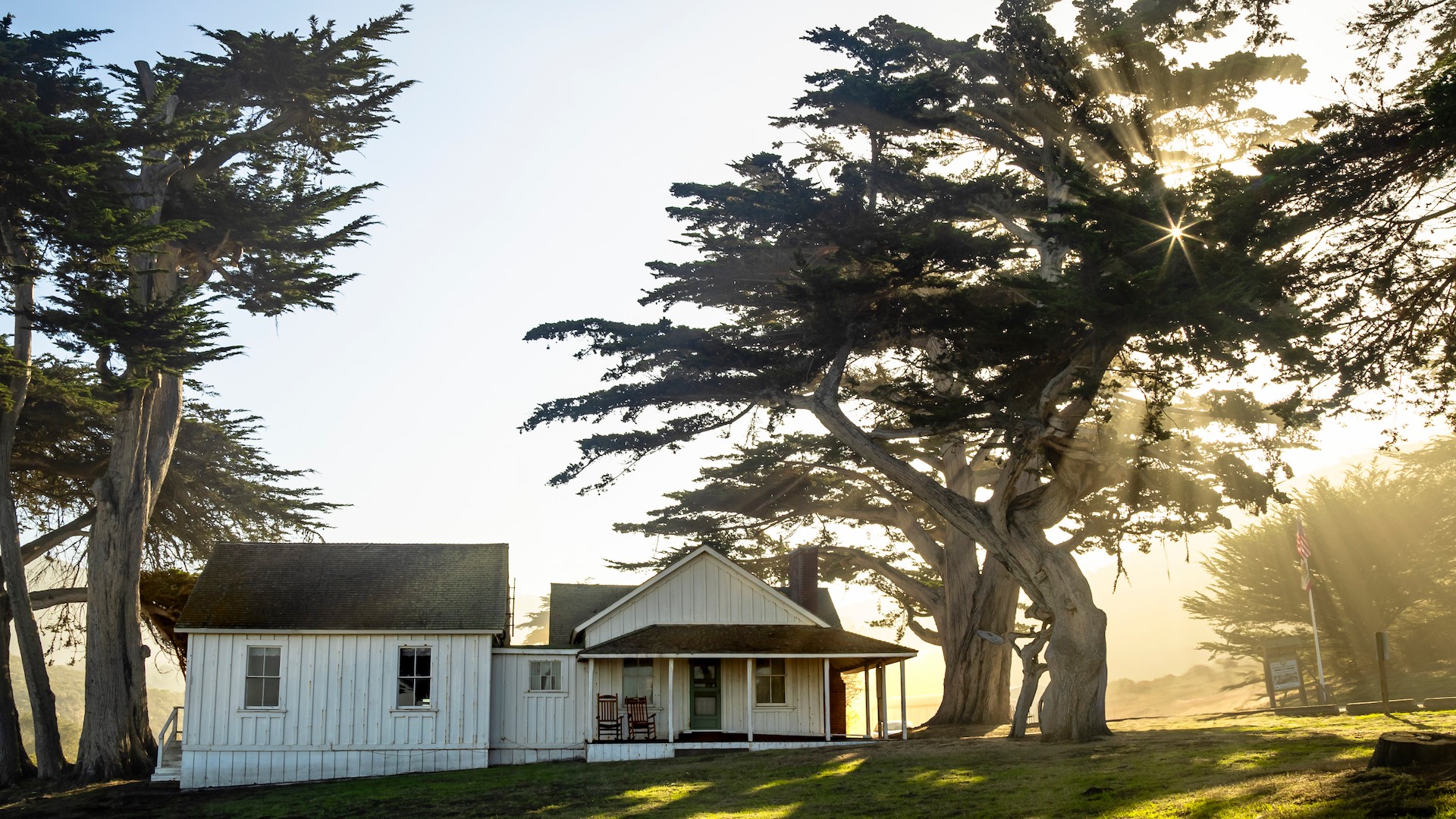
Majestic Coastal Live Oaks and California Bays, native to the hilltop, are carefully integrated into the garden design. These and other large trees, such as Italian Cypress and Mexican Fan Palms, help to integrate the scale of the towering main house, Casa Grande, with the smaller scale of the surrounding gardens and guesthouses. William Randolph Hearst wanted a garden that displayed a profusion of blooms throughout the year. Plant species that bloom during each of the different California seasons were selected for the beds, and colors abound in the historic gardens throughout the year.

Colorful flowers such as bougainvillea, tulips, hyacinths, gladiolus, lilies, dahlias, asters, geraniums, lantana, petunias, pansies, sweet peas, hollyhocks, marigolds and carnations were some of the many varieties grown throughout the gardens. Greenhouses were used to grow annuals from seed, to propagate shrubs, and to raise tuberous begonias and gloxinias. Additional flowers were purchased from nurseries to fill the garden landscape. Hundreds of thousands of annuals, bulbs and perennials were planted throughout the year to provide the color displays Hearst enjoyed in his gardens.

Plants found at Hearst Castle

Learn more

Spectacular formal gardens ornament the grounds of Hearst Castle. William Randolph Hearst collaborated closely with his architect, Julia Morgan, to create a garden design which was in harmony with the Mediterranean Revival style buildings. Together they found inspiration in the great Italian and Spanish gardens of Europe. Magnificent panoramic views of mountains, coastline and ocean enhance the elaborate features and formal landscaping of the gardens.